
Botany 500
Tailored Excellence Since 1902

Rediscover the golden age of menswear with authentic vintage suits, sportcoats, and slacks that defined American style for generations.

Products simmilar to Botany 500

Explore other heritage menswear brands that share Botany 500’s commitment to classic tailoring and timeless American style.
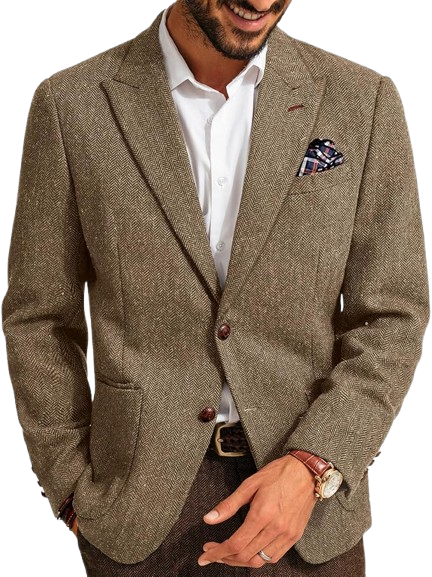
Herringbone Tweed Blazer Two Button Wool Blend Sport Coat with Pocket Square
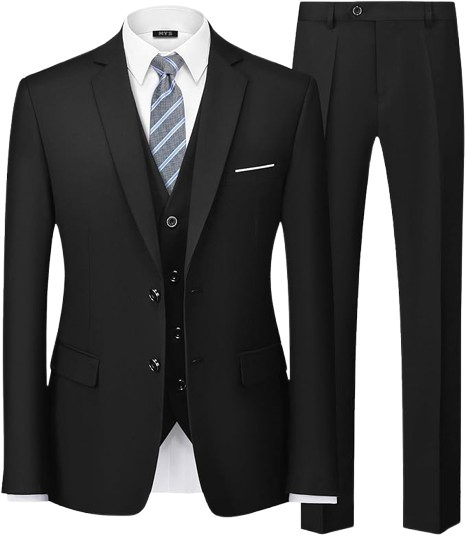
Herringbone Tweed Blazer Two Button Wool Blend Sport Coat with Pocket Square

3 Piece Slim Fit Suit Set with Tie, 2 Button Blazer Jacket Vest & Pants
3 Piece Slim Fit Suit Set with Tie, 2 Button Blazer Jacket Vest & Pants

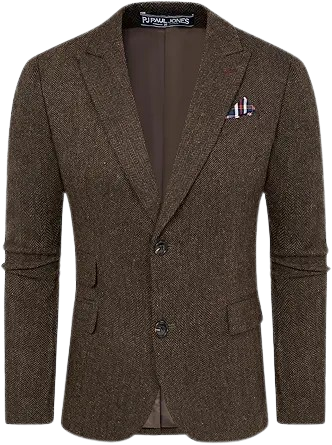
Tweed Blazer Wool Herringbone Sport Coat Jacket
Tweed Blazer Wool Herringbone Sport Coat Jacket

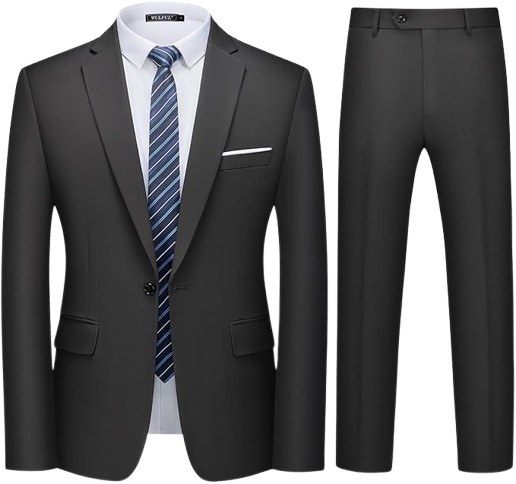
2 Piece Slim Fit Suit Set One Button Blazer Jacket Pants Tuxedo
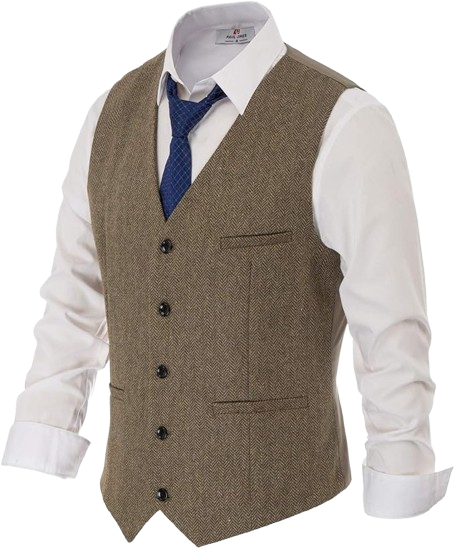
2 Piece Slim Fit Suit Set One Button Blazer Jacket Pants Tuxedo

Herringbone Tweed Suit Vest Wool Blend Waistcoat
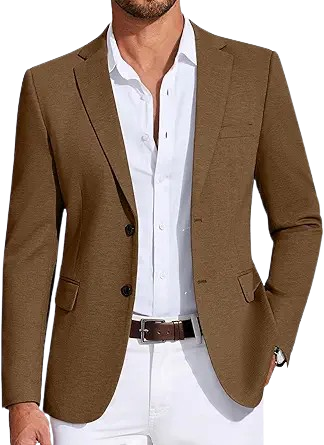
Herringbone Tweed Suit Vest Wool Blend Waistcoat

Casual Blazer Knit Sport Coat Lightweight Two Button Suit Jacket
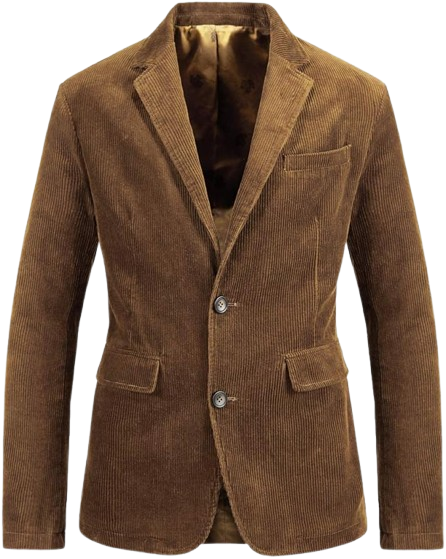
Casual Blazer Knit Sport Coat Lightweight Two Button Suit Jacket

Corduroy Suit Blazer Jacket Sport Coat
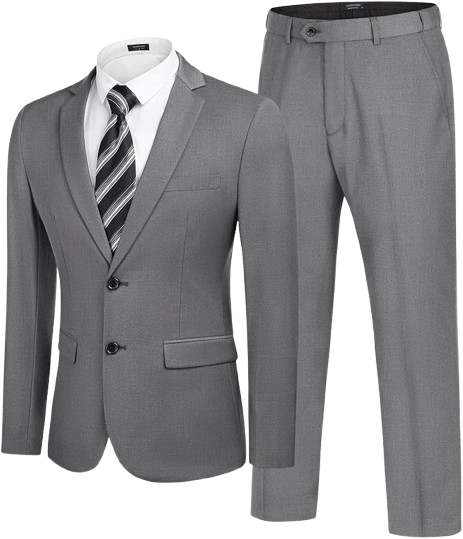
Corduroy Suit Blazer Jacket
Sport Coat

2 Piece Suits 2 Button Dress Suits Tuxedo Jacket Blazer

2 Piece Suits 2 Button Dress Suits Tuxedo Jacket Blazer

What Botany 500 Brings You

Botany 500 delivers menswear that honors traditional tailoring while fitting the way modern men actually live. These pieces were made when quality meant something you could feel in the fabric, and they’ve earned their place in any wardrobe that values substance over trends.

Established Craftsmanship

Every garment reflects mid-century American tailoring standards—structured shoulders, clean lines, and construction methods that were built to last decades, not seasons.

Authentic Vintage Character

You’re wearing actual pieces from the 1950s-70s, complete with original details, fabrics, and that worn-in comfort that can’t be replicated by modern “vintage-inspired” clothing.

Honest Pricing

Classic menswear shouldn’t require a second mortgage. These pieces offer genuine quality at prices that reflect their vintage nature, not inflated “heritage” marketing.

Brands Simmilar to Botany 500

If you value authentic vintage tailoring and mid-century American craftsmanship, explore other classic menswear brands from the same era that share Botany 500’s commitment to traditional construction, timeless styling, and quality fabrics that have stood the test of time.

PJ PAUL JONES Logo

PJ PAUL JONES is an international men’s clothing brand specializing in affordable casual wear including knitted sweaters, polo shirts, blazers, cardigans, and trousers. Known for vintage-inspired designs with modern touches, the brand offers accessible pricing on everyday essentials sold primarily through online retailers like Amazon.

WULFUL Logo

WULFUL is a men’s clothing brand owned by WOOLFU company. Specializes in affordable everyday wear: suits, jackets, jeans, pants, and ski gear. Known for combining classic style with practicality, offering durable fabrics and thoughtful cuts for daily wear at reasonable prices.

COOFANDY Logo

COOFANDY is a men’s fashion brand founded in 2015, specializing in modern essentials for every stage of life. Known for versatile collections including linen clothing, suits, casual wear, and activewear. The brand emphasizes natural breathable fabrics, accessible pricing, and frequently updated styles available globally through their website and major retailers.

MAGE MALE Logo

MAGE MALE is a men’s suit brand with 14 years of design experience, specializing in formal and wedding attire. The brand name derives from ancient mythology, symbolizing strength and freedom. Known for slim-fit suits with quality fabrics and meticulous tailoring, offering complete suit sets including blazers, vests, and pants at accessible prices.

Botany 500: Complete Brand History Timeline

1946: The Beginning

Daroff & Sons, a Philadelphia clothing manufacturer, launches Botany 500 as their premium menswear line. The name combines “Botany Worsted Mills” (their fabric supplier) with “500” (referencing $500 luxury suits—though Botany 500 suits sold for $50-75). First suits are manufactured in Philadelphia’s garment district using quality worsted wool, natural shoulder construction, and traditional two-button configurations. The positioning is clear from day one: deliver the look and durability of expensive tailoring at prices working professionals can actually afford, with fabric that resists wrinkles and maintains shape through years of wear.

1947-1955: Post-War Growth

As American men flood the post-war workforce, Botany 500 expands rapidly through mid-tier department stores across the Northeast, positioning itself between budget brands and luxury labels. The brand launches national advertising in Esquire and GQ, avoiding aristocratic imagery in favor of “regular” professionals with taglines like “The suit that earns its keep.” The company expands beyond suits to sport coats, dress slacks, and topcoats, introducing a “separates” concept that allows men to create multiple outfits from fewer pieces. A New York showroom opens to strengthen retailer relationships, while the fabric quality becomes a major selling point—sales representatives carry swatches to demonstrate how the tightly woven worsted wool springs back after being crumpled.

1956-1965: Peak Years

Botany 500 reaches cultural saturation with annual sales exceeding $50 million (roughly $500 million today), employing over 2,000 workers in Philadelphia plus additional Pennsylvania and New Jersey facilities. The brand becomes the official supplier for corporate sales forces at insurance companies and pharmaceutical firms, while introducing synthetic fiber blends for improved wrinkle resistance—a move criticized by purists but appreciated by traveling salesmen who need durable clothing. As fashion shifts toward slimmer European silhouettes in the early 1960s, the company launches the “Botany 500 Executive” line with upgraded fabric and construction at $95-125, successfully retaining customers who’ve been promoted and can afford to spend more without losing them to luxury competitors.

1966-1975: Decline Begins

The counterculture movement and casualization of workplace dress codes devastate demand for traditional suits, forcing Botany 500 to introduce bolder patterns, wider lapels, and adventurous colors—even entering the leisure suit market with polyester suits in powder blue and burgundy that dilute the brand’s quality reputation. Traditional customers feel abandoned while younger consumers seek trendier brands, leaving the company caught between demographics and satisfying neither. Manufacturing begins shifting overseas to cut costs, quality becomes inconsistent, and in 1975 Daroff & Sons sells Botany 500 to a larger apparel conglomerate as Philadelphia facilities start scaling back operations.

1976-1985: Corporate Ownership Kills the Brand

New corporate owners attempt to reposition Botany 500 upmarket with higher prices and placement in premium department stores, a strategy that fails spectacularly as upscale shoppers don’t recognize the brand while loyal customers can’t afford or find the suits at their usual retailers. Quality deteriorates as production scatters across overseas contractors, and the “Botany 500” label no longer guarantees the construction standards that built the reputation. By 1985, the brand largely disappears from major retailers, with remaining inventory dumping through discount chains and outlet stores, completing the fall from respected mid-market label to clearance rack filler.

1986-2015: Death and Vintage Resurrection

Botany 500 ceases to exist as an active brand, with the trademark changing hands through corporate mergers and the Philadelphia factory closing in 1991, ending 45 years of local manufacturing. Meanwhile, an unexpected revival begins in vintage markets as men seeking quality suits discover 1940s-1960s Botany 500 pieces at estate sales and thrift stores, recognizing what made them special: worsted wool surviving 40-60 years, full canvas construction, hand-stitched buttonholes, and timeless styling. Online forums document the brand’s history, collectors share dating techniques, and prices for vintage suits in excellent condition climb to $150-300—more than the inflation-adjusted original price—as the vintage menswear community celebrates the superior construction quality that modern brands no longer offer.

2016-2023: The Return

A group of menswear enthusiasts and former garment industry professionals acquires the trademark and spends years tracking down former pattern makers and tailors (now in their 70s-80s), locating vintage fabric samples, and working with modern mills to recreate original materials with one clear strategy: make the same suits the same way. Production begins in 2021 at a small Pennsylvania factory 30 miles from the original Philadelphia facility, with five pattern cutters and tailors starting work using 1950s construction standards—full canvas chest pieces, hand-set sleeves, functional buttonholes, genuine horn buttons, each suit requiring 8 hours of labor versus 2-3 for modern mass production. Worsted wool comes from Massachusetts and North Carolina mills, and pricing is set at $495-595 for suits, $295-345 for sport coats, $145-175 for trousers—exactly where the brand was historically positioned between mall brands and luxury labels.

2024-2025: Controlled Growth (Current)

Botany 500 sells through a direct-to-consumer website, a Philadelphia showroom, and carefully selected independent menswear shops, avoiding department stores and chains while marketing relies on word-of-mouth through vintage communities and menswear forums rather than influencers or paid advertising. The brand’s resurrection story resonates with men frustrated by the choice between disposable fast fashion and unaffordable designer labels, attracting vintage enthusiasts wanting modern equivalents, professionals tired of replacing cheap suits, and younger men discovering traditional menswear. Made-to-measure services launch at $795, customer retention exceeds 70% with most buyers returning within 18 months for additional pieces, and the company deliberately stays small at approximately 3,000 garments annually with no plans for rapid expansion, licensing deals, or overseas production—focused instead on sustainable operation at modest scale, making clothes that last decades for men who need professional attire that works without demanding attention.

Frequently Asked Questions

A quick guide to common questions about ordering, sizing, care, and more.

What sizes are available?

Sizes typically range from small to XXL, depending on the specific item. Each product page includes a detailed size chart with measurements for chest, waist, sleeve length, and inseam where applicable. For the best fit, measuring against a garment that fits well is recommended before ordering.

How should garments be cleaned and maintained?

Most items require dry cleaning to preserve fabric quality and construction. Garment labels include specific care instructions. Wool suits and dress trousers should be dry cleaned sparingly—brushing after wear and allowing garments to air out between uses helps extend time between cleanings. Shirts can often be machine washed on gentle cycles, though pressing may be needed.

What is the return policy?

Returns are accepted within 30 days of delivery for unworn, unaltered items with original tags attached. The process begins by contacting customer service for a return authorization. Shipping costs for returns are the responsibility of the buyer unless the item arrived damaged or incorrect.

How long does shipping take?

Standard shipping within the continental United States typically takes 5-7 business days from the order date. Expedited options are available at checkout for faster delivery. International orders may take 2-3 weeks depending on customs processing and destination country.

Are alterations included with purchase?

Alterations are not included with online orders. Local tailoring services are recommended for adjustments to sleeve length, pant hemming, or waist taking-in. Many customers find that professional alterations help achieve the polished fit these garments are designed for.

What if an item doesn’t fit properly?

Exchanges for different sizes can be arranged if the original size doesn’t work. Customer service can check inventory availability for the preferred size. If an exchange isn’t possible due to stock limitations, a full refund will be processed once the return is received and inspected.

Have Questions?


Real Men, Real Style

Timeless tailoring meets the men who appreciate quality that never goes out of fashion.

Smiling man portrait

James K.

I picked up a Botany 500 blazer at an estate sale and it’s become my go-to for client meetings. The tailoring still holds its shape after all these years, and I get compliments every time I wear it. You just don’t find this kind of construction anymore.

Serious man outdoors

Robert M.

My father wore Botany 500 suits in the ’60s, and when I found one in my size, I understood why he kept them. The wool has this weight and drape that makes modern off-the-rack stuff feel flimsy. It’s like wearing a piece of craftsmanship.

Man with short beard

Daniel P.

I’ve been collecting vintage menswear for about five years now, and Botany 500 sport coats are always worth grabbing. The lapels, the stitching, even the lining—everything was done right. They fit like they were made for someone who actually cared about how he looked.

Stay Connected

Regular updates on new arrivals, style insights, and special offerings delivered directly to inbox.


Where to shop Botany 500 clothing in 2026?

Discover authentic Botany 500 pieces at vintage boutiques, estate sales, and online marketplaces where classic American craftsmanship finds new appreciation among discerning gentlemen.

Share Thoughts

Questions, suggestions, or comments are always welcome and help shape what comes next.
